
Venous thromboembolism (VTE), including deep vein thrombosis (DVT) and pulmonary embolism (PE), is an important cause of unexpected in-hospital mortality.
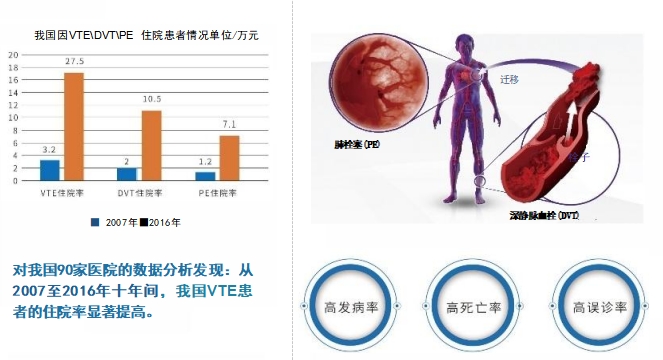
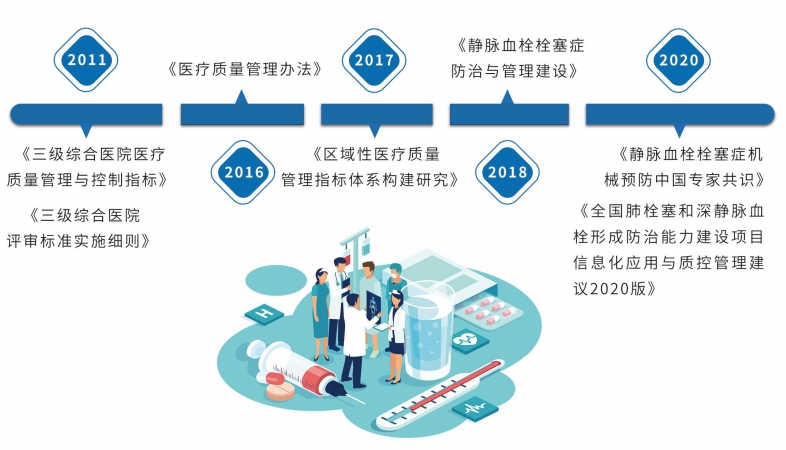
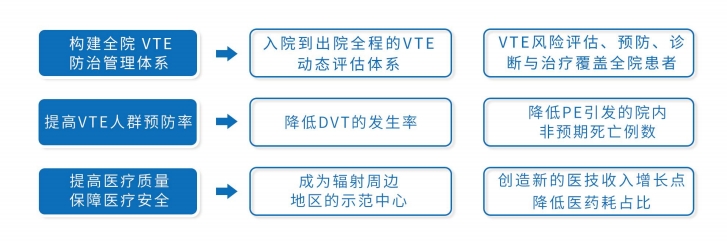
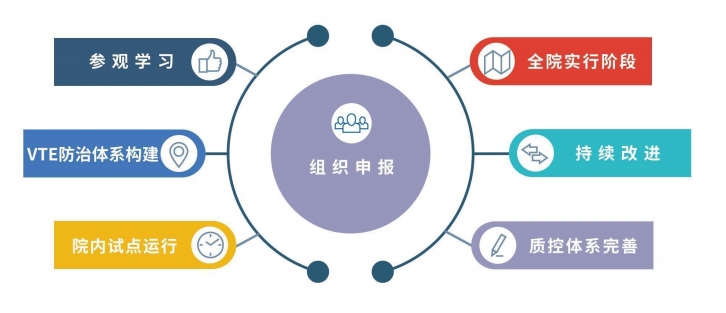
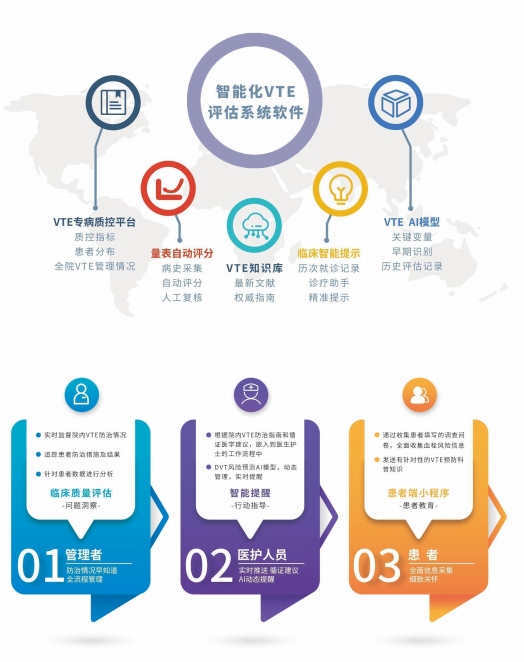
Runkai Medical's overall solution for VTE prevention and treatment system construction covers the entire process of VTE intelligent evaluation system software, VTE thrombectomy prevention and treatment center, and VTE prevention and treatment construction system construction services.

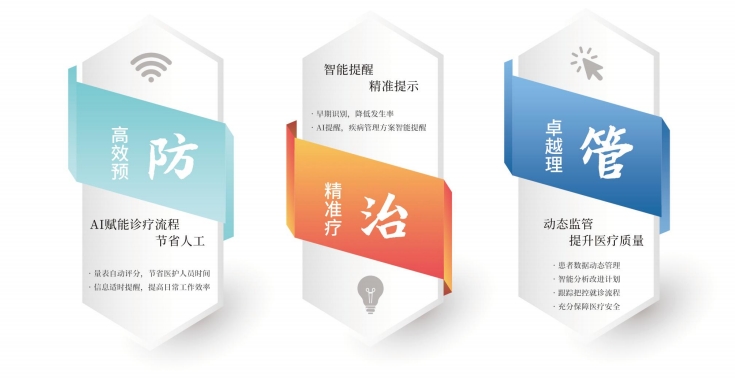
1. Prevention and control concept
2. Meet the different needs of doctors, nurses, management, and patients as the four major terminals
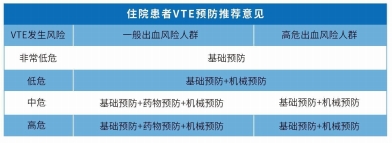
The preventive measures for VTE include basic prevention, mechanical prevention, and drug prevention. Basic prevention is the foundation of other preventive measures, while mechanical prevention is one of the essential measures for VTE prevention. It is a necessary supplement to drug prevention and an alternative means in specific situations. The three complement each other, and reasonable application can effectively prevent the occurrence of VTE.
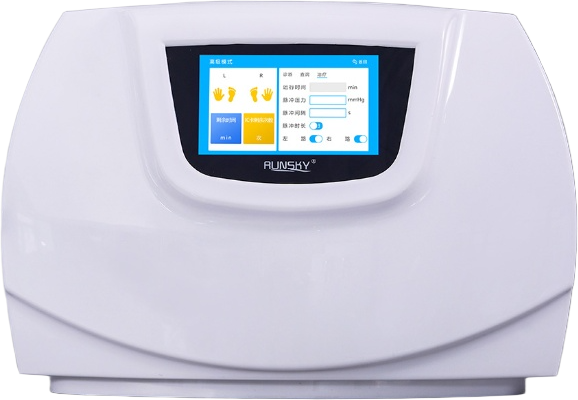
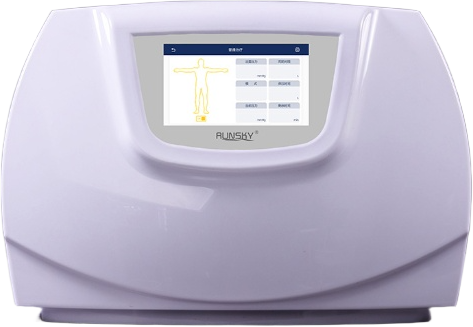
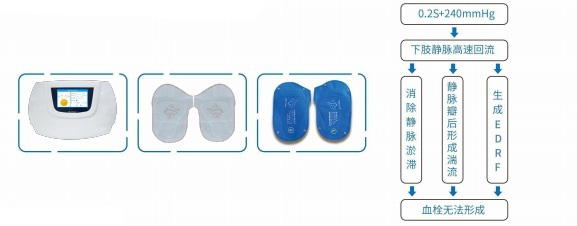
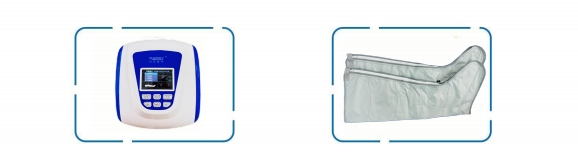
Pulse type arteriovenous foot pump - a new generation of physical antithrombotic equipment
Imitating the natural "hand pump" or "foot pump" of the human body, it can rapidly increase the blood flow velocity of veins and arteries by air cushion without the contraction of leg muscles, thereby deriving corresponding clinical functions.
Gradient pressure pump
By periodically squeezing the lower limbs from distal to proximal, the pressure gradually decreases from bottom to top, forming a gradient pressure that accelerates blood and lymphatic circulation, alleviates limb edema, and effectively prevents the formation of blood clots.
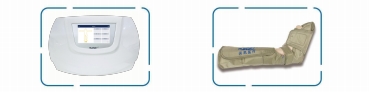
Air pressure wave
By repeatedly inflating and deflating the pressure device from the sole, calf to thigh through sequential inertia, a uniform and orderly compression is formed on the limb from the distal end to the proximal end, accelerating blood reflux and preventing thrombosis.
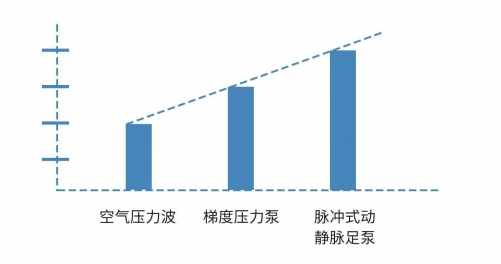
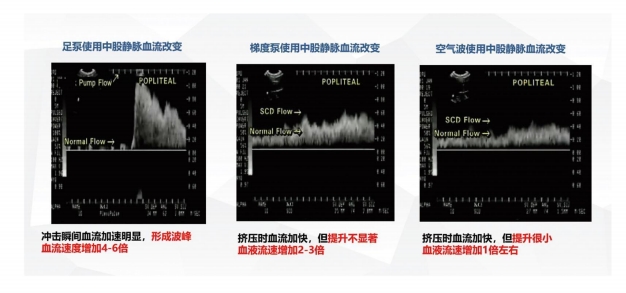
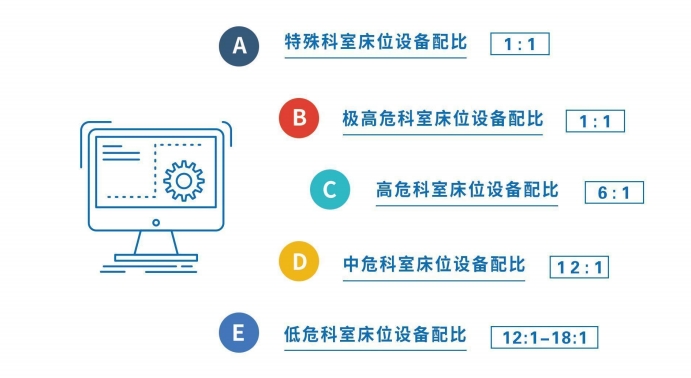
In VTE mechanical prevention, arteriovenous foot pumps have the advantages of high safety, few contraindications, wide user base, and easy implementation, which can be quickly introduced into clinical applications. According to the basic requirements of physical prevention for medium and high-risk patients in VTE risk assessment, each department needs to allocate more than 60% of the total number of beds with arteriovenous foot pumps, including operating rooms, orthopedics, urology, obstetrics and gynecology, neurology, oncology, etc ICU、 Departments with high bleeding risks, such as trauma and burn departments, should prioritize physical prevention and focus on configuration.