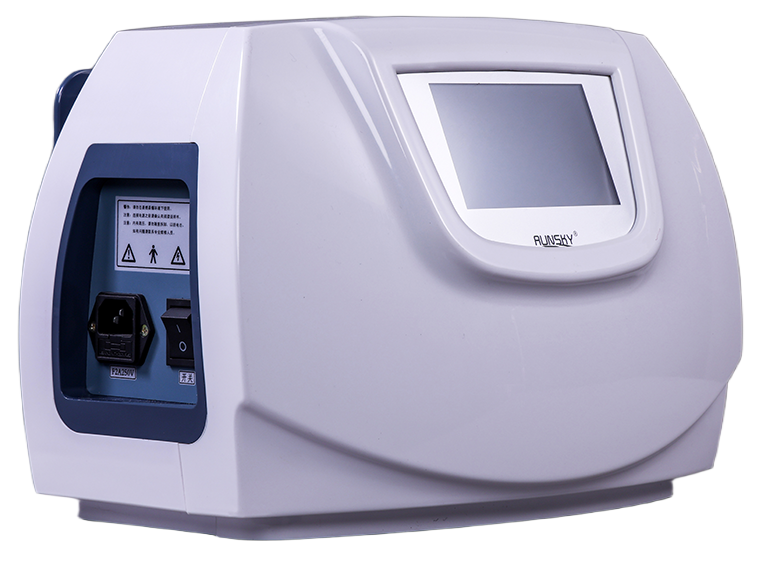
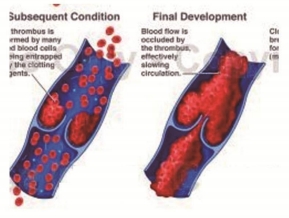
Venous thromboembolism (VTE) refers to a group of diseases, including deep vein thrombosis (DVT) and pulmonary thromboembolism (PTE), with a high incidence rate among hospitalized patients. A considerable number of patients with high-risk factors for VTE develop VTE without taking appropriate preventive measures, and in severe cases, sudden death occurs, which is one of the important causes of unexpected and perioperative deaths in hospitals.
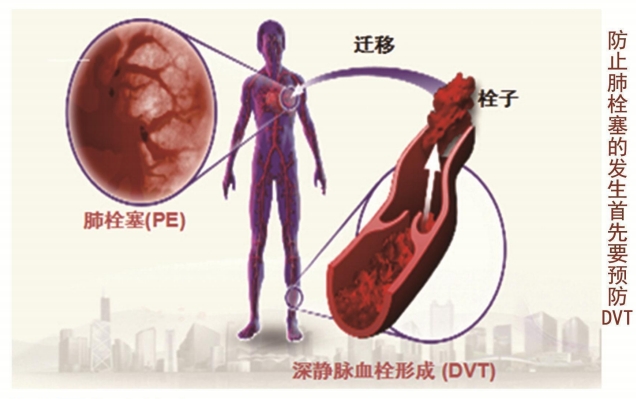
High incidence rate: the incidence rate of surgical and long-term braking departments is as high as 30% -80%
High missed diagnosis rate: about 80% of DVT patients have no clinical symptoms and are difficult to detect; High mortality rate: Untreated PTE patients have a mortality rate of over 30%, and even after formal treatment, there is still a mortality rate of 2% -8%;
Medical expenses: Once DVT occurs, the treatment cost is high;
Medical disputes: Pulmonary embolism can easily cause sudden death, and patients' families have no psychological expectations, which can easily lead to medical disputes
Drug prevention: It is necessary to determine that there is no risk of bleeding
Physical prevention: According to medical guidelines and combined with clinical experience in Europe, America, Japan, and China, maintaining long-term pressure therapy is a simple and effective treatment method for simply preventing the formation of deep vein thrombosis in the lower limbs;
Working principle: By periodically and sequentially squeezing the lower limbs from the distal end to the proximal end;
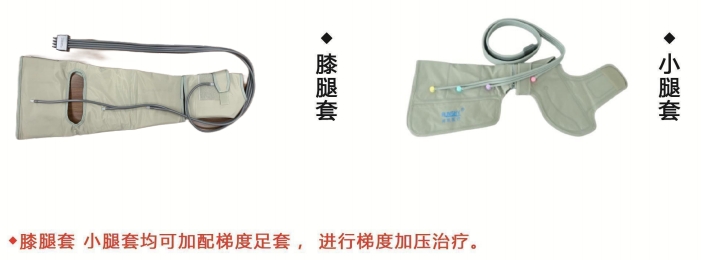
System composition: The system consists of three parts: the host, the connecting tube, and the inflatable airbag. The airbag includes a foot cover and a three chamber leg cover, with a total of eight chambers;
Pressure range: The pressure gradually decreases from bottom to top, that is, gradient pressure;
Fatigue test: can be used continuously for more than 120 hours;
Machine noise: Silent design does not affect rest;
Cycle time: Ensure deep vein filling and meet the patient's rest time
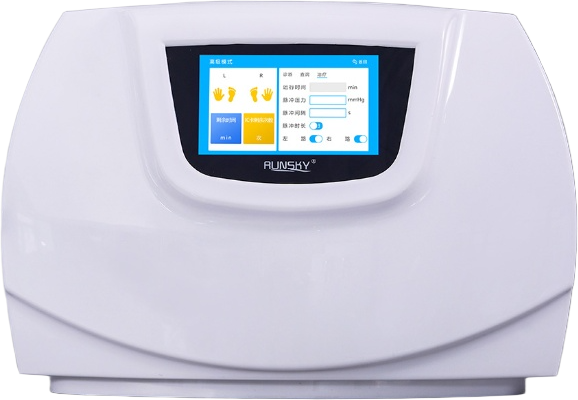
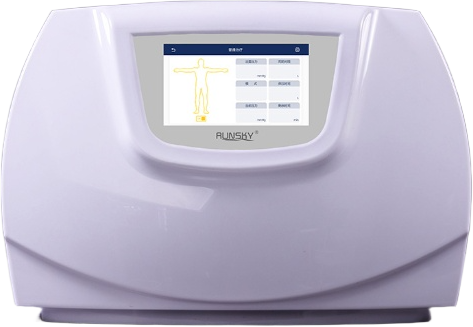
Output mode: The host has dual 8-chamber output, divided into two 4-chamber airbags for use, not in the form of 1-to-2
Working modes: massage mode, venous mode, arterial mode, edema mode
Display mode: Five inch LCD touch screen, real-time display of treatment area
Protection function: equipped with overvoltage protection function
Body design: Integrated bed hook, easy to carry and install, optional special trolley
Alarm function: Alarm for overvoltage, undervoltage, and abnormal operation
The airbag can withstand a maximum pulse output pressure of over 50000 times and maintain good airtightness.
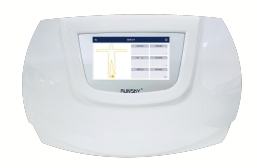
The host can work continuously for 120 hours, and the massage chamber can be freely selected, supporting single chamber zero pressure skipping, avoiding wounds, and personalized treatment